
Blog
Technical content prepared by our engineering team on material selection, standards and field applications.
Thermal Classes in Enamelled Conductors: What Do 155, 180, 200 and 220 Mean?
Thermal class is not the maximum temperature a conductor can withstand; it is a temperature index defined on an accepted...
Differences Between Flat and Round Conductor, and the Fill Factor
Significantly more copper fits in the same winding window with flat conductor. We cover how fill factor is calculated, t...
How to Choose the Thickness Build (Grade 1, 2, 3)?
In enamelled conductors the difference between Grade 1, 2 and 3 is film thickness — but the result changes not only brea...
Paper-Insulated Conductors: Kraft, Crepe and Dennison Compared
In oil-type transformers paper insulation is still indispensable. The differences and uses of kraft, crepe, dennison and...
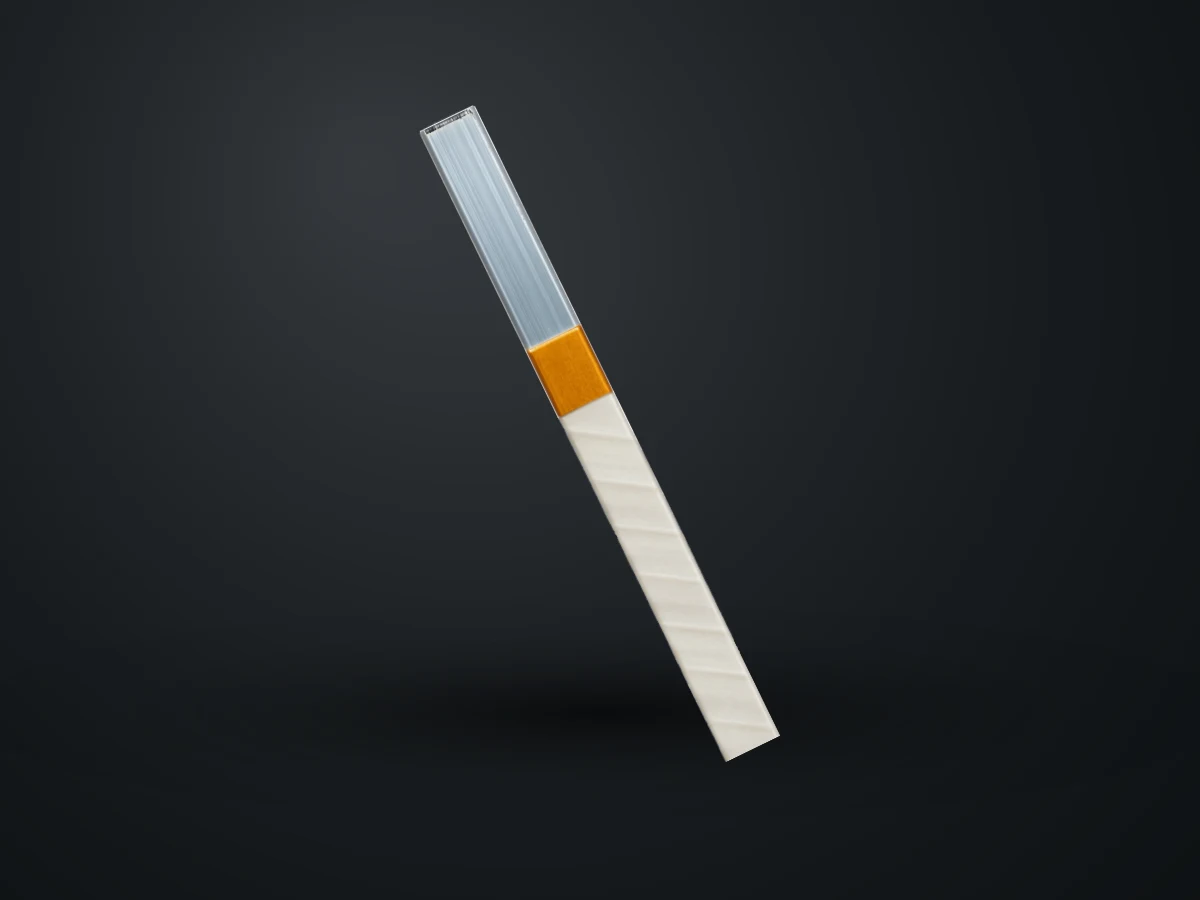
The Role of Nomex and Metastar (Aramid) Insulation in Dry-Type Transformers
Dry-type transformers are spreading in indoor and high fire-risk facilities. The critical material behind their performa...
Copper or Aluminium? Six Criteria in Conductor Material Selection
Aluminium is cheaper and lighter, copper is more conductive and compact. We cover the six criteria that drive the decisi...
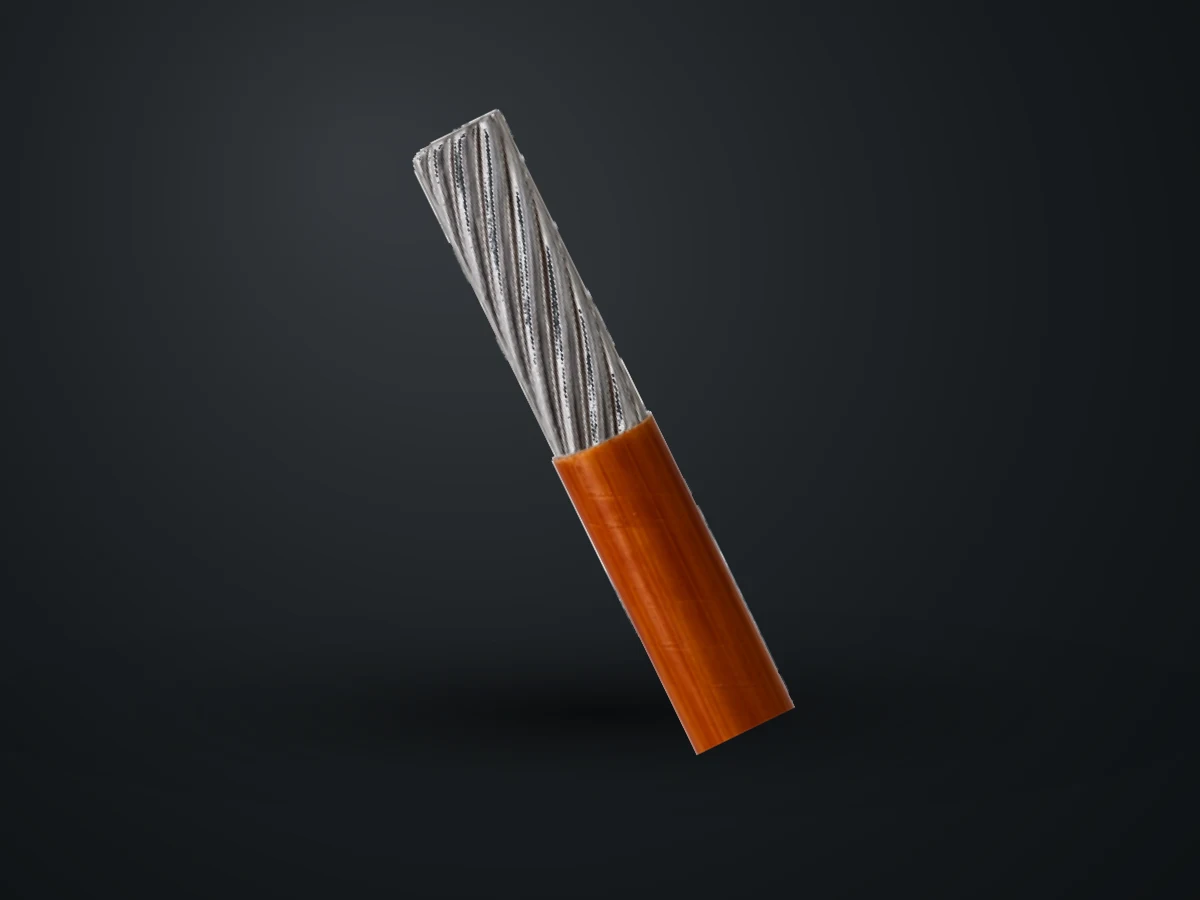
Comparing the IEC 60317 and NEMA MW 1000 Standards
The same conductor can be described in two different standard languages. We explain the structure, measurement system, t...
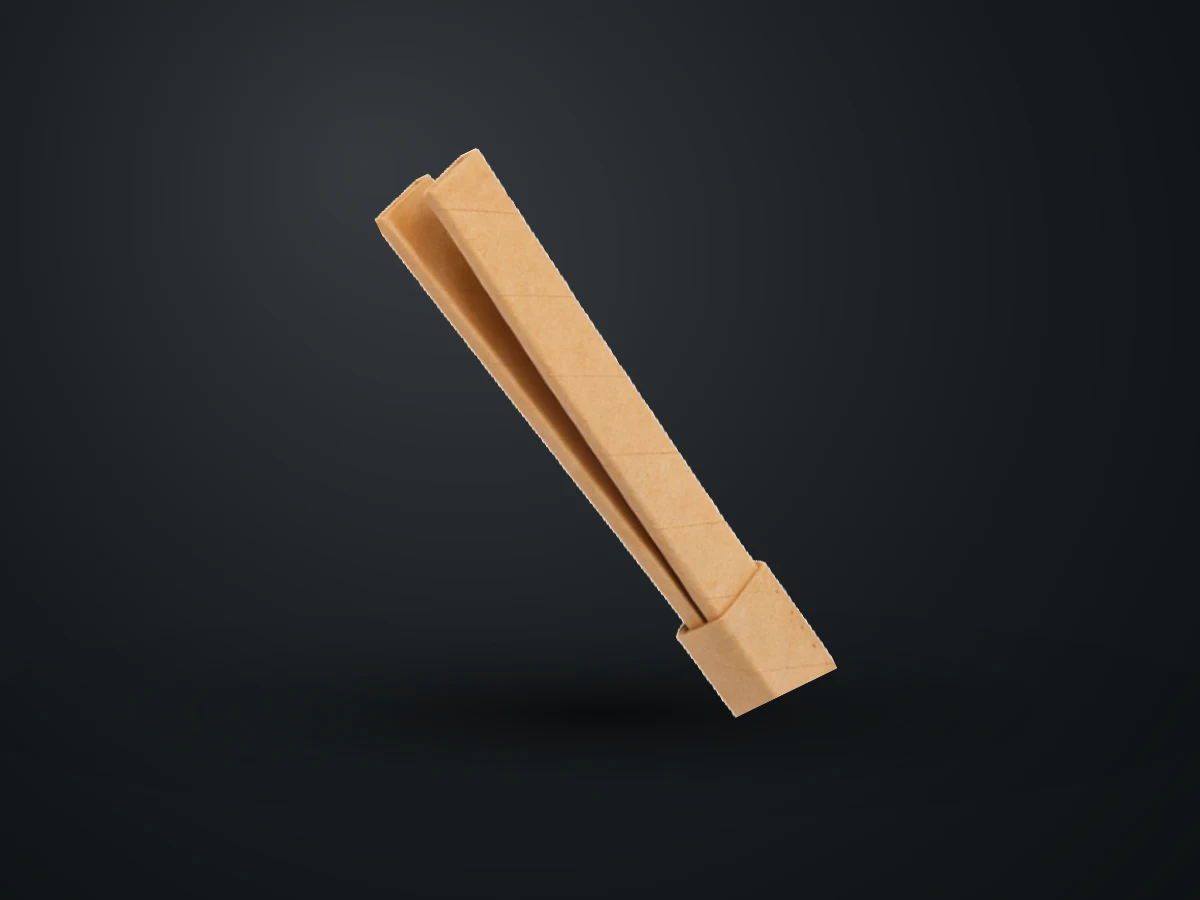
Transposition and Loss Reduction in Twin and Triple Conductors
Using parallel conductors solves the large cross-section problem but creates a new one: circulating currents. We explain...