Despite the spread of modern film insulations, paper insulation keeps its place in oil-type transformer windings. The reason is not nostalgia but physics: cellulosic paper, when impregnated with insulating oil, shows very high dielectric strength, resists partial discharge and ages predictably over decades.
The Basic Logic of Paper Insulation
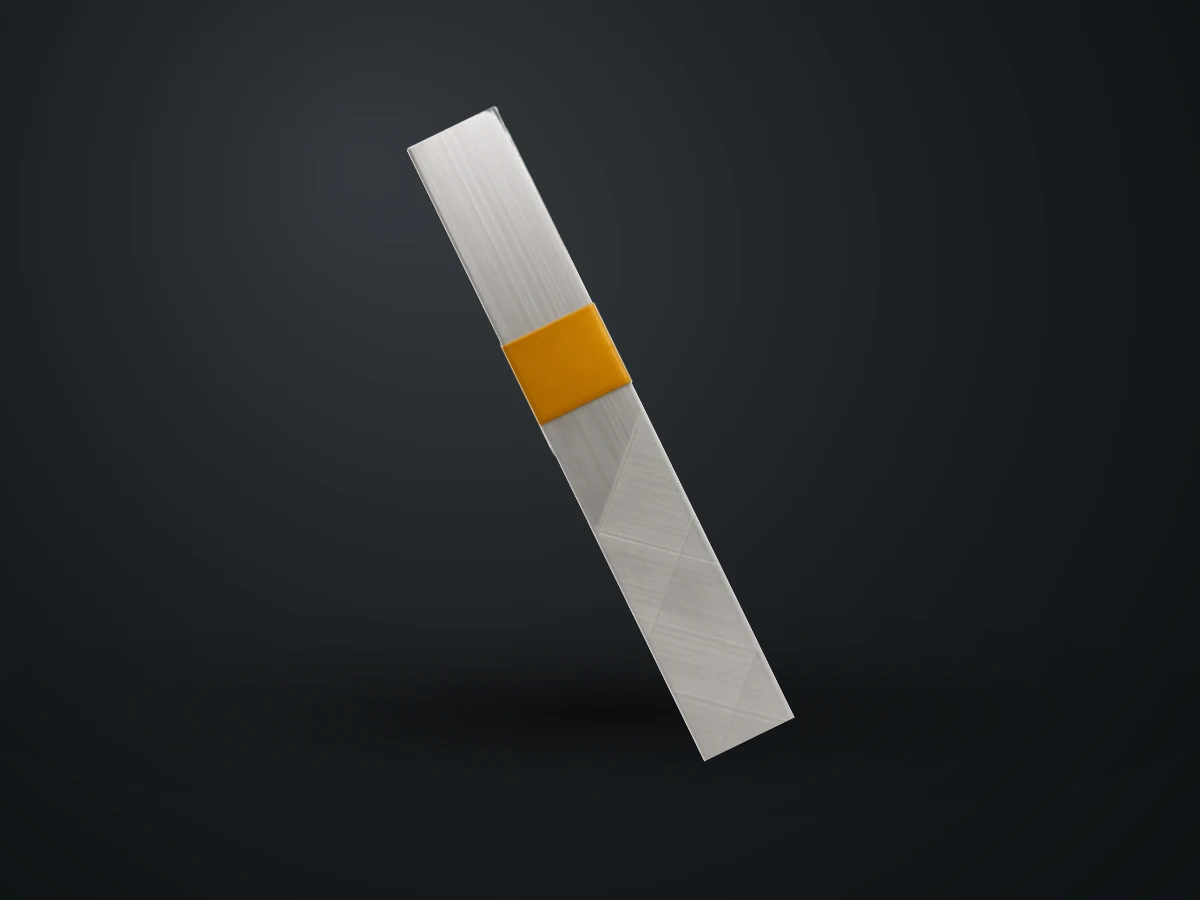
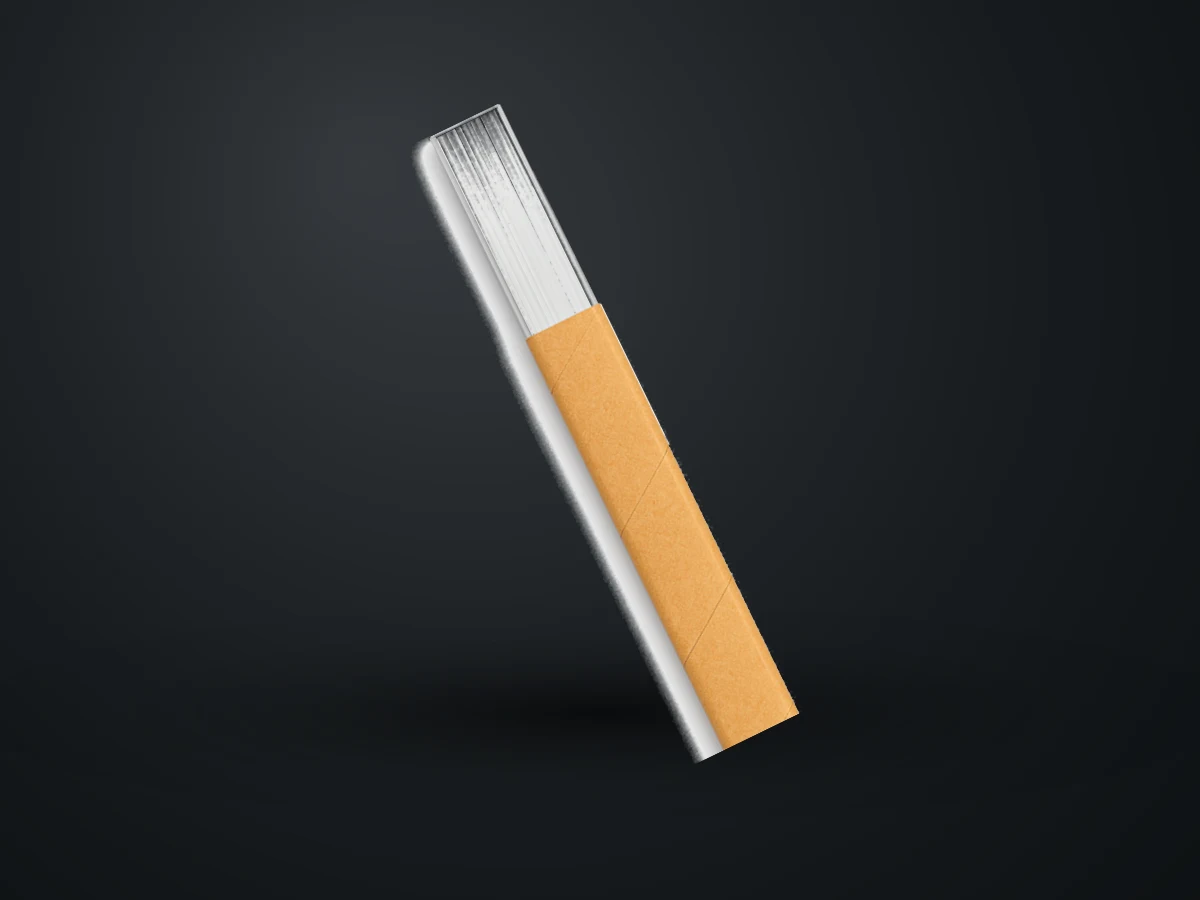
In paper-insulated conductor the insulation consists of thin paper tapes wound over the conductor with overlap. The desired total insulation thickness is obtained by changing the number of layers and tape width. The requirements for electrical-purpose cellulosic papers are defined in the IEC 60554 series. After the winding is complete, the transformer is dried and impregnated with oil; when the pores of the paper fill with oil, the insulation reaches its final strength.
The practical conclusion from this is: paper-insulated conductor is hygroscopic. Material that takes up moisture during storage and transport lengthens the drying time and can cause permanent performance loss. Moisture-barrier packaging is not an option but a necessity.
Paper Types
| Type | Characteristic | Stretchability | Typical use |
|---|---|---|---|
| Kraft | Flat-surface, high tensile-strength cellulosic paper | Low | Main winding conductor; regular layered windings |
| Crepe | Wrinkled-texture, stretchable paper | High | Lead-outs, connection areas, section changes |
| Dennison | High-density, smooth and tight surface | Low | Windings needing high strength at thin total build |
| Satinert (thermally upgraded) | Cellulosic paper with improved thermal stability | Low | Designs allowing higher continuous winding temperature |
Kraft
Thanks to its long cellulose fibres it offers high mechanical strength and resists tearing during winding. Its oil-absorption behaviour is good. This is why it is the most common choice for the main winding conductor.
Crepe
Thanks to its wrinkled texture it stretches markedly. This property lets the insulation follow without gaps where the conductor changes direction, the section widens or a connection is made. Using crepe at lead-outs and sleeve areas is almost standard.
Dennison
It is a denser, smoother-surfaced paper; it gives higher dielectric strength at the same total thickness. It is preferred in designs where the winding window is limited and insulation thickness is critical.
Satinert / thermally upgraded paper
These are papers processed to slow the thermal degradation of cellulose. They allow operation at a higher continuous temperature than standard cellulosic paper; this means higher power in the same volume or longer life.
How Does Paper Insulation Age?
The life of the cellulosic paper is the life of the transformer — a statement often repeated in the industry and largely true. Oil can be changed and gaskets renewed; but the paper insulation inside the winding is practically irreplaceable. Paper ages under the combined effect of temperature, moisture and oxygen, and in this process the cellulose chains shorten.
This shortening is measured by the degree of polymerisation (DP). Quite high in new paper, this value drops as ageing advances; when it falls below a certain threshold the paper loses its mechanical strength and becomes brittle against the forces arising during a short circuit. The furan compounds tracked in oil analyses are also indirect indicators of the same process.
Three factors accelerating ageing can be kept under control: winding temperature (design and cooling), moisture (drying, sealing and correct storage) and oxygen (sealed expansion systems). Thermally upgraded papers also change this equation by degrading more slowly at the same temperature.
Points to Watch When Choosing
- Total insulation thickness: As the number of layers rises, dielectric strength increases, the fill factor drops and heat transfer becomes harder.
- Overlap ratio: If the overlap is insufficient, weak points form between the papers.
- Moisture management: Storage moisture, drying time and final dielectric performance are directly related.
- Temperature target: If the continuous winding temperature pushes the limits of standard cellulose, thermally upgraded paper or aramid-based solutions should be considered.
In dry-type transformers, aramid-based insulation papers are used instead of cellulosic paper; this group falls under IEC 60819 and is the subject of a separate article.
Summary
- Paper insulation, when impregnated with oil, provides high dielectric strength and partial-discharge resistance; it is still standard in oil-type transformers.
- Kraft is used for the main winding, crepe for lead-out and connection areas, and dennison when high strength at thin build is wanted.
- Thermally upgraded papers allow a higher continuous temperature.
- Moisture is the greatest enemy of paper insulation; packaging and storage conditions must be defined in the order text.
- The requirements for electrical-purpose cellulosic papers are in the IEC 60554 series.
Our technical team can support you in determining the paper type and number of layers suited to your winding design.