Mica-Covered Round Copper Conductor
ISO-CU-MKA-R240
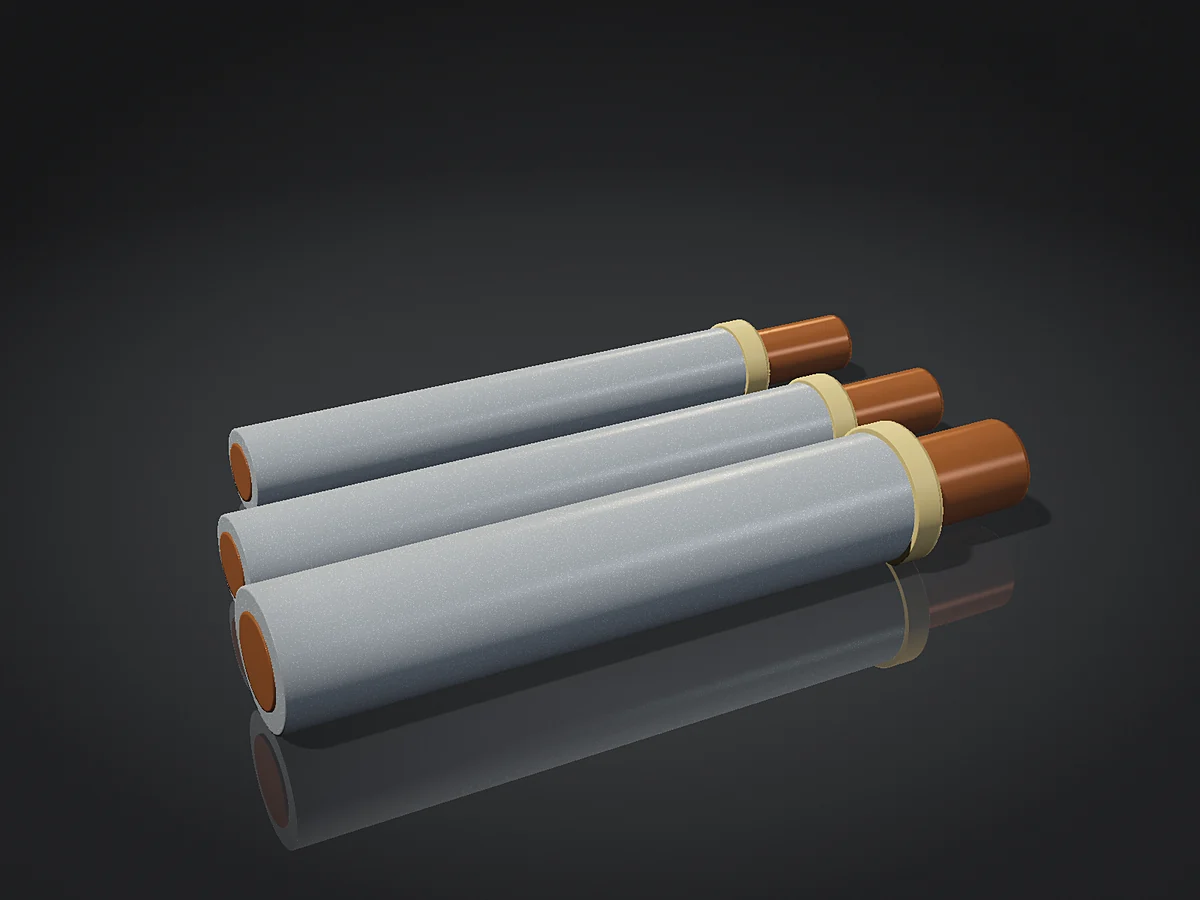
CROSS-SECTION & LAYERS
Mica Insulated Wires
The core and insulation layers are shown to scale as a representation; refer to the datasheet for exact thickness and tolerance values.
APPLICATIONS
Where Is This Product Used?
Heating-element connections
Furnace and hob coils
Fire-resistant signal circuits
High-temperature sensor windings
Product Description
Round-section mica-coated conductor is used in high-temperature windings with tight transitions. The symmetric section keeps the mica tape at even thickness around the wire and prevents insulation thinning at corner points.
Because the flexibility of mica tape is limited, the winding radius must not go below the lower limit recommended by the tape manufacturer. In tight-radius transitions, polyimide-carrier tape is preferred; glass-fibre-carrier tapes are more economical in long straight sections.
Mica-based insulation materials are assessed to the IEC 60371 series; the conductor is produced from EN 13602 referenced drawn copper wire. The insulation reaches full performance when saturated with impregnating varnish.
Applications
Heating-element connections, furnace and hob coils, fire-resistant signal circuits, high-temperature sensor windings.
Related Products
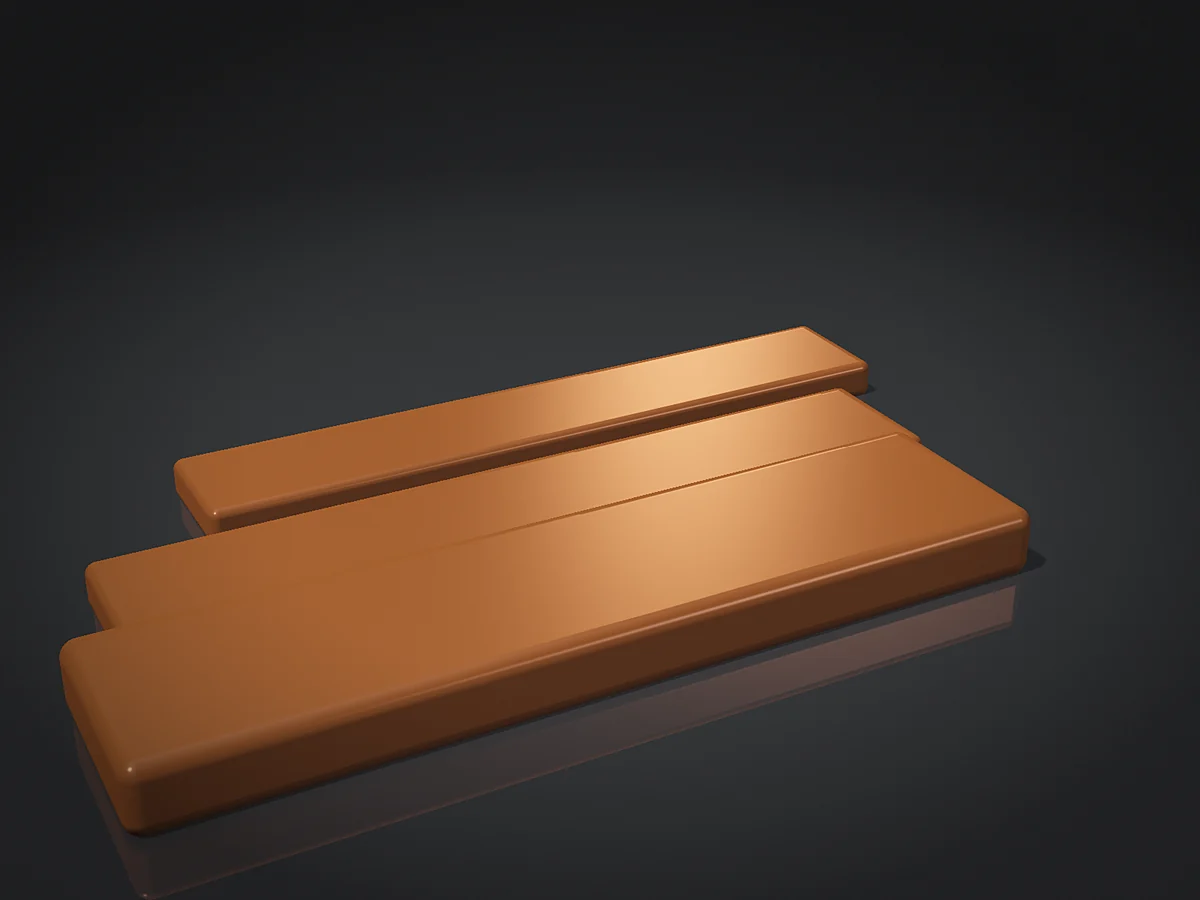
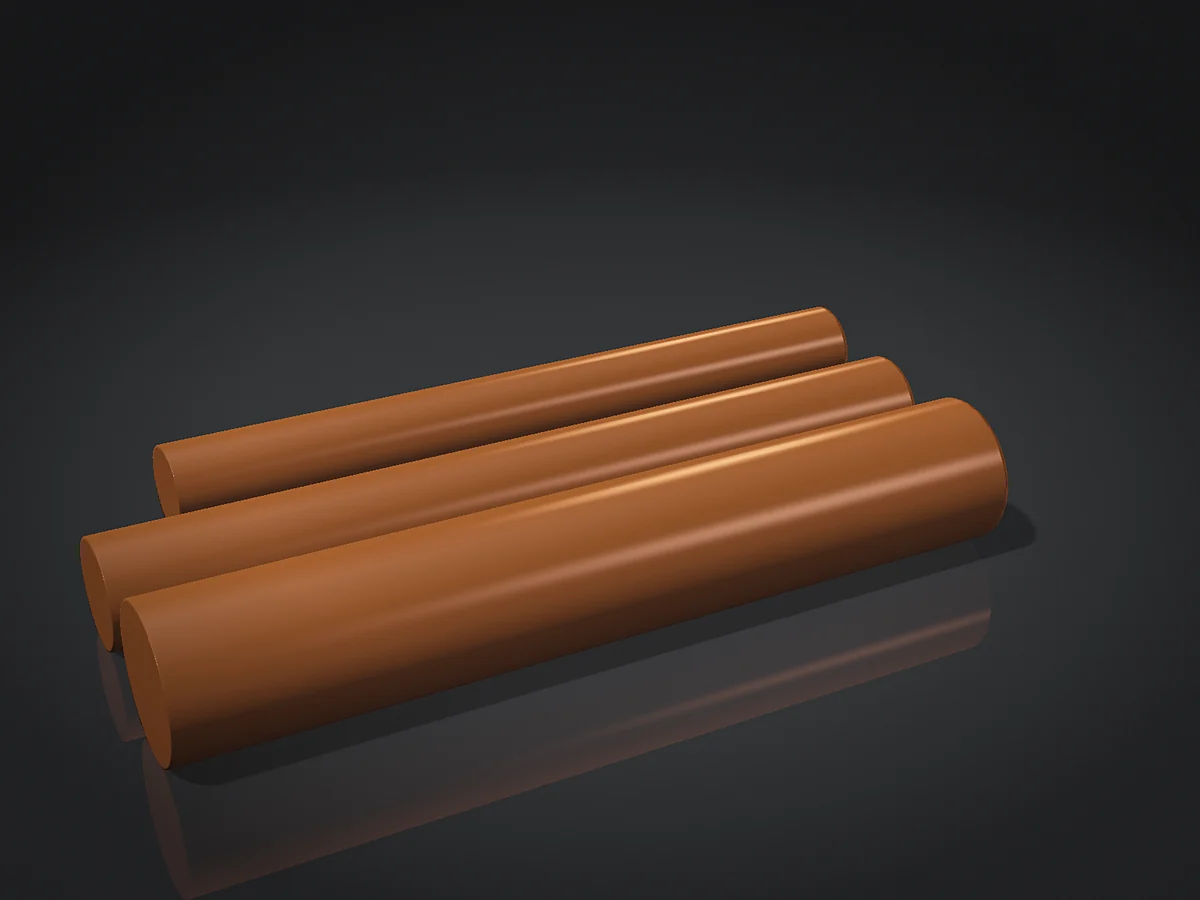
Bare Round Copper Conductor
ISO-CU-BAR-R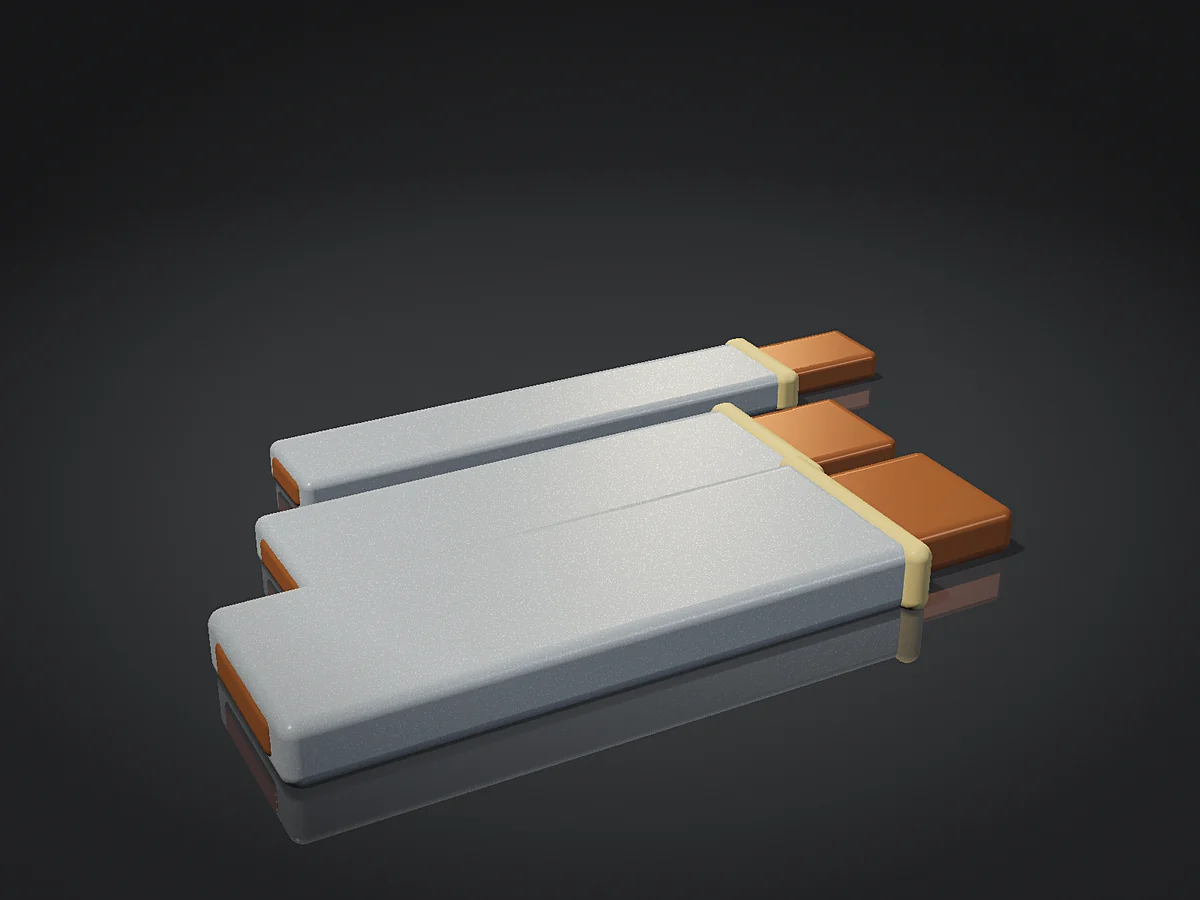
Mica-over-Enamel Rectangular Copper Conductor
ISO-CU-EMK-F200
Mica-Covered Rectangular Copper Conductor
ISO-CU-MKA-F240Technical Documentation
| Conductor Material | Electrolytic Copper (Cu-ETP, 99.9%) |
| Standard | IEC 60371 |
| Conductor Size | 0.8 – 4 mm |
| Thickness / Grade | 0.25 – 0.45 mm tape layer |
| Surface | Bright |
| Product Code | ISO-CU-MKA-R240 |
| Thermal Class | Class 240 (C) |
| Build Increase | 0.25 – 0.45 mm tape layer |
| Conductor Section | 0.50 – 12.60 mm² |
| Insulation Type | Mica tape (polyimide carrier) |
| Winding Type | Helical tape winding, 50% overlap |
| Test Certificate | Mica tape declaration of conformity |
Our Mica-Covered Round Copper Conductor product is supplied in accordance with internationally accepted manufacturing and inspection standards. Dimensional tolerances, material chemical analysis and mechanical values meet the requirements of the relevant standard.
- Manufacturing standard: IEC 60371
- Conductor material: Electrolytic Copper (Cu-ETP, 99.9%)
- Thermal class: Class 240 (C)
- Wall thickness: 0.25 – 0.45 mm tape layer
- Diameter range: 0.8 – 4 mm
- Visual inspection and dimensional control are carried out before shipment.
If your project requires a different standard, you can consult our technical team for alternative products.
On request, the products we supply are shipped together with an EN 10204 3.1 material certificate. Our quality management system and product documents are updated regularly; batch-based traceability is provided.
Communicating your certificate request at the quotation stage speeds up the shipment process.
ISO 9001:2015 Quality Management System
ISO 14001 Environmental Management System
ISO 45001 Occupational Health and Safety Management System
EN 10204 3.1 Material Certificate
IEC 60317 Declaration of Conformity
IATF 16949 Automotive Quality Management System
REACH Declaration of Conformity
RoHS Declaration of Conformity
Note: The values in the datasheet are nominal. For requests outside the standards and dimensions above, reach us through the quote form; non-catalogue dimensions are planned according to the production schedule.