Glass-Fibre Insulated Rectangular Copper Conductor
ISO-CU-CEL-F180
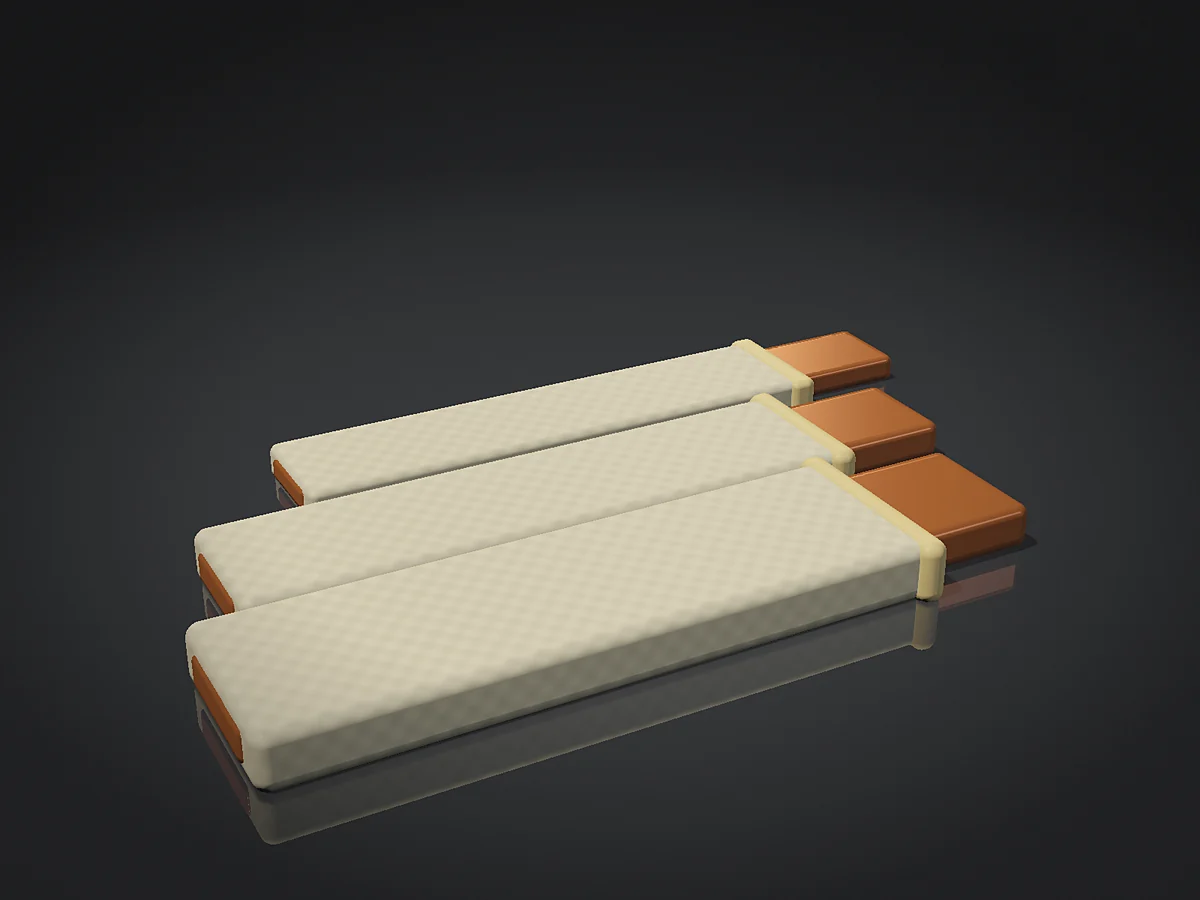
CROSS-SECTION & LAYERS
Glass Fibre Insulated Wires
The core and insulation layers are shown to scale as a representation; refer to the datasheet for exact thickness and tolerance values.
APPLICATIONS
Where Is This Product Used?
The gold area in the scenes shows where the conductor sits in the machine.
Power Transmission Facilities
In switchgear and busbar connections; with busbar, rod and braided conductors.
View Sector
Wind Turbine Generators
In nacelle generator windings; with high thermal-class insulated wires.
View Sector
Electric Motor Factories
In stator and rotor slots; with enamelled round and flat winding wires.
View Sector
Distribution Transformer Manufacturers
In distribution and dry-type transformer coils; with enamel, Nomex and film insulated wires.
View Sector
ALSO Large electric motors
Generator windings
Electromagnets
Arc-furnace transformers
Industrial reactors
Product Description
In glass-fibre insulated conductor the insulation is formed by double-braiding thin glass-fibre yarn around the conductor and then saturating it with a heat-cured resin. The resulting shell is mechanically hard and abrasion-resistant; it protects the conductor against sharp edges and high pulling forces during winding.
Because glass fibre is an inorganic material it does not decompose at high temperature; the main factor setting the thermal class is the binder resin used. Classes 180 (H) and 200 (N) are obtained with silicone or modified-polyester based binders.
The porous structure of the insulation is well suited to the vacuum-pressure impregnation (VPI) process: the varnish penetrates the braid and, after curing, the winding becomes a single piece. Conductor dimensions are produced to the dimension and tolerance approach of the IEC 60317 series.
Applications
Large electric motors, generator windings, electromagnets, arc-furnace transformers, industrial reactors.
Related Products
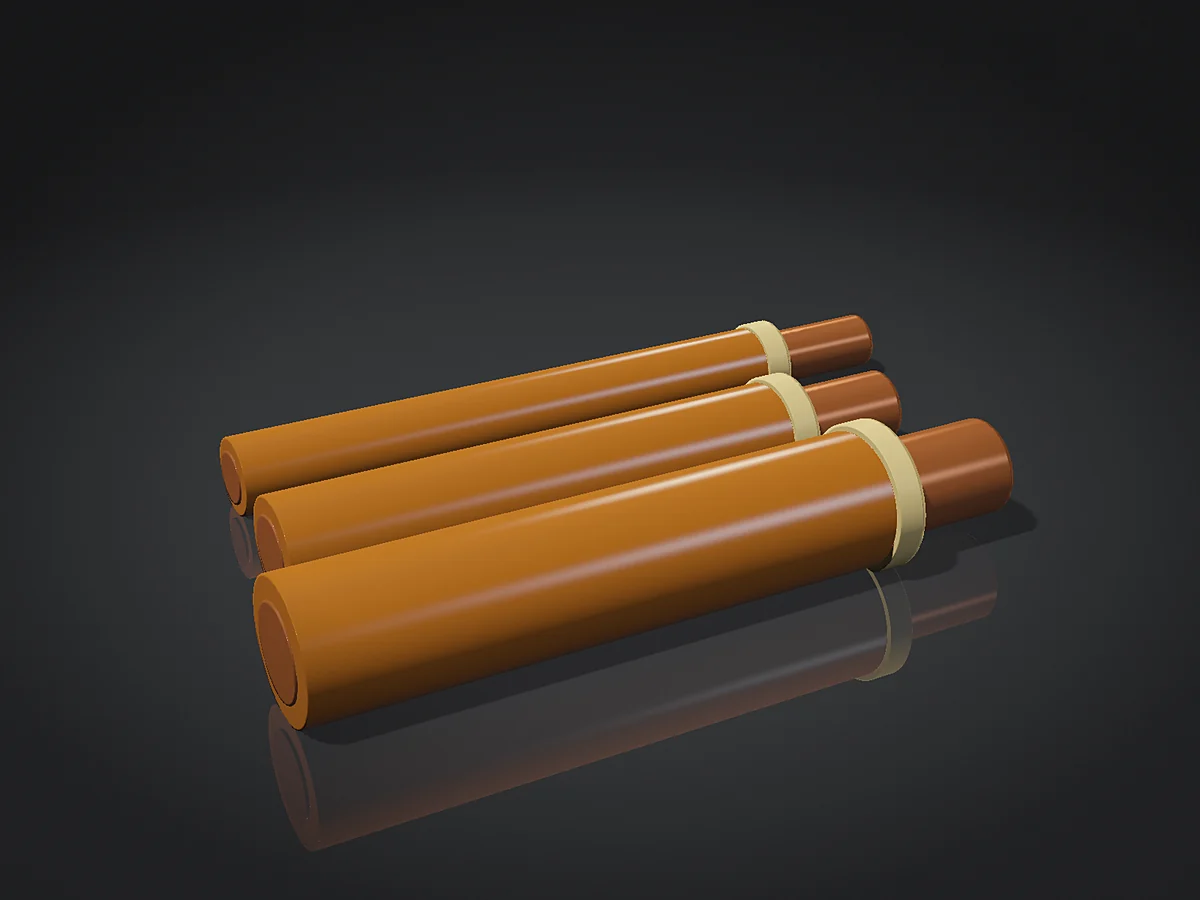
Kapton-Wrapped Round Copper Conductor
ISO-CU-KPT-R240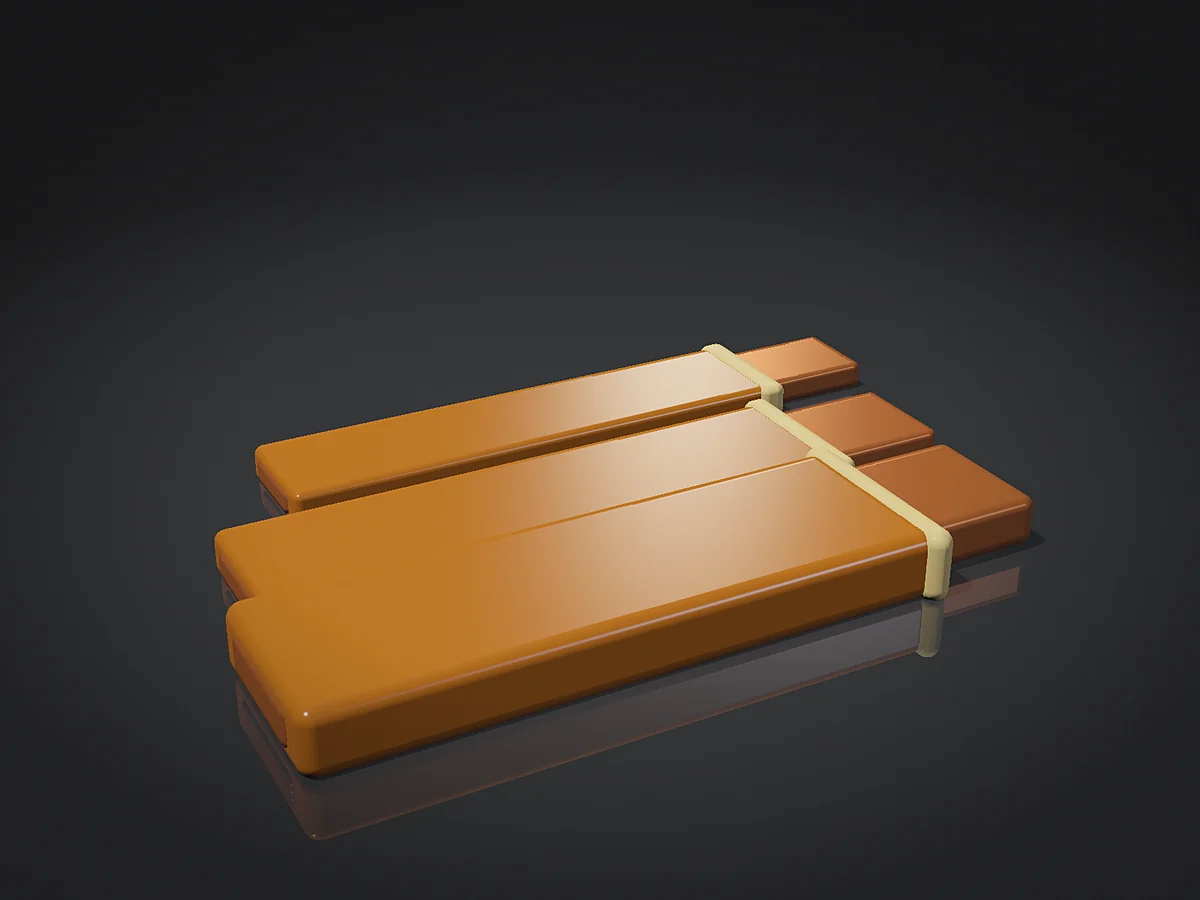
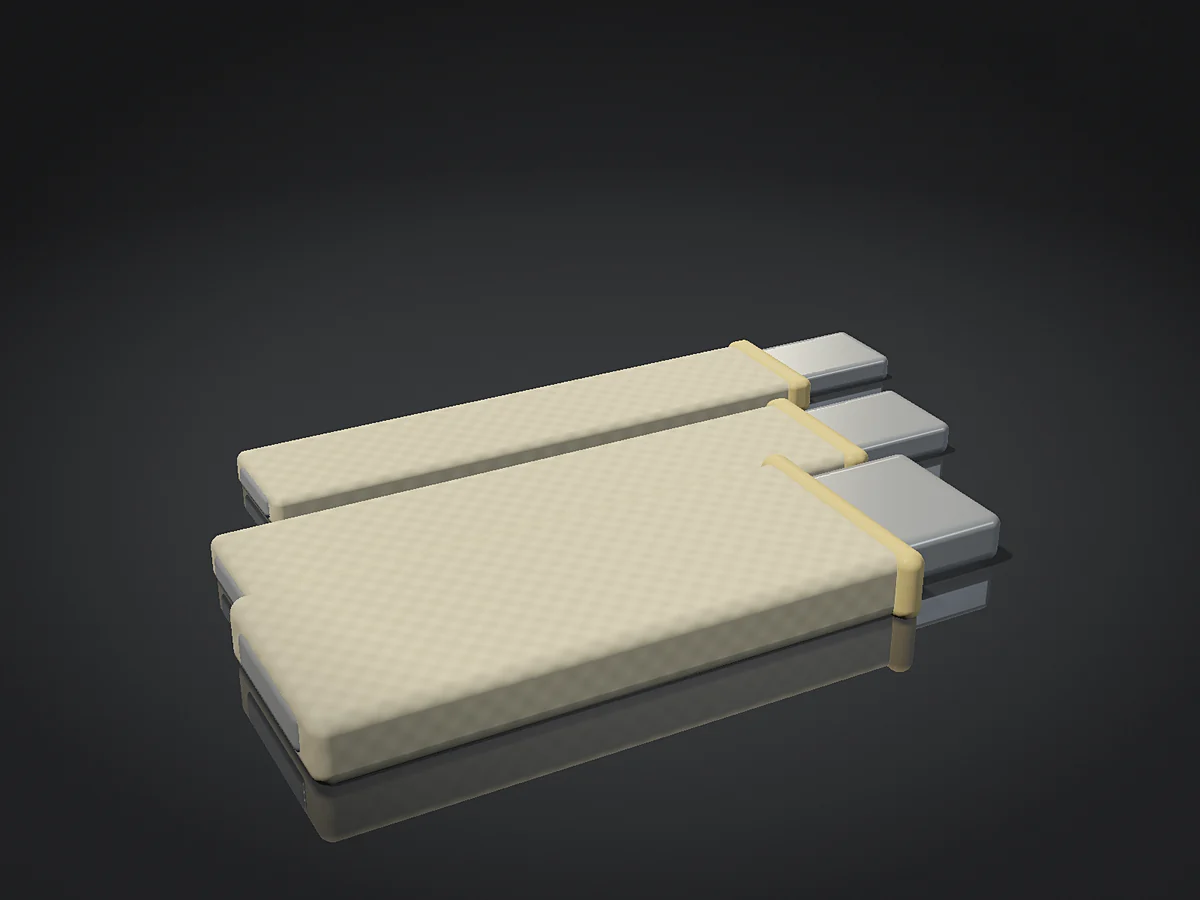
Glass-Fibre Insulated Rectangular Aluminium Conductor
ISO-AL-CEL-F180Technical Documentation
| Conductor Material | Electrolytic Copper (Cu-ETP, 99.9%) |
| Standard | IEC 60317 |
| Conductor Size | 2 – 16 mm |
| Thickness / Grade | 0.80 – 5.60 mm |
| Surface | Annealed |
| Product Code | ISO-CU-CEL-F180 |
| Thermal Class | Class 180 (H) |
| Build Increase | 0.80 – 5.60 mm |
| Conductor Section | 1.50 – 90.00 mm² |
| Insulation Type | Double-layer glass-fibre braid + cured resin |
| Winding Type | Braid insulation |
| Test Certificate | IEC 60851 test raporu |
| Impregnation Compatibility | Suitable for VPI and dip impregnation systems |
Glass-Fibre Insulation Thicknesses
| Insulation Structure | Total Build Increase (mm) | Thermal Class | Typical Use |
|---|---|---|---|
| Single layer glass fibre | 0.20 – 0.30 | Class 155 (F) | Low-voltage coils |
| Double layer glass fibre | 0.35 – 0.50 | Class 180 (H) | Motor and generator windings |
| Enamel + Single layer glass fibre | 0.30 – 0.45 | Class 200 (N) | Windings needing high fill |
| Enamel + Double layer glass fibre | 0.50 – 0.70 | Class 200 (N) | Heavy-duty industrial machines |
Our Glass-Fibre Insulated Rectangular Copper Conductor product is supplied in accordance with internationally accepted manufacturing and inspection standards. Dimensional tolerances, material chemical analysis and mechanical values meet the requirements of the relevant standard.
- Manufacturing standard: IEC 60317
- Conductor material: Electrolytic Copper (Cu-ETP, 99.9%)
- Thermal class: Class 180 (H)
- Wall thickness: 0.80 – 5.60 mm
- Diameter range: 2 – 16 mm
- Visual inspection and dimensional control are carried out before shipment.
If your project requires a different standard, you can consult our technical team for alternative products.
On request, the products we supply are shipped together with an EN 10204 3.1 material certificate. Our quality management system and product documents are updated regularly; batch-based traceability is provided.
Communicating your certificate request at the quotation stage speeds up the shipment process.
ISO 9001:2015 Quality Management System
ISO 14001 Environmental Management System
ISO 45001 Occupational Health and Safety Management System
EN 10204 3.1 Material Certificate
IEC 60317 Declaration of Conformity
IATF 16949 Automotive Quality Management System
REACH Declaration of Conformity
RoHS Declaration of Conformity
Note: The values in the datasheet are nominal. For requests outside the standards and dimensions above, reach us through the quote form; non-catalogue dimensions are planned according to the production schedule.