Cross-Section Optimisation in Home Appliance Motor Winding
Improvement in copper consumption and winding scrap through diameter-step and thickness-grade optimisation on a high-volume appliance motor line.
About the Project
In home-appliance motor windings the volumes are high and margins tight; small improvements therefore make a clear difference at annual scale. Within the project the diameter step, build grade and winding tension of the existing design were examined together.
The review found that the build grade in use was one step higher than the application required and that this lowered the fill factor. After evaluating turn voltage and mechanical stress during winding, a move to a lower build grade was recommended; a custom draw at an intermediate diameter step brought the winding height into the target range.
In winding trials with a pilot batch, no film damage or breakage was observed; the breakdown voltage and flexibility-adhesion tests under IEC 60851 met the acceptance criteria. After the change, a measurable improvement was achieved in copper consumption per winding and in winding scrap.
Project Details
ClientHome Appliance Manufacturer
CompletedAugust 2025
LocationManisa
FROM THE FIELD
Project Gallery

MATERIAL LIST
Products Used
You can review the technical details of the product groups supplied in this project.
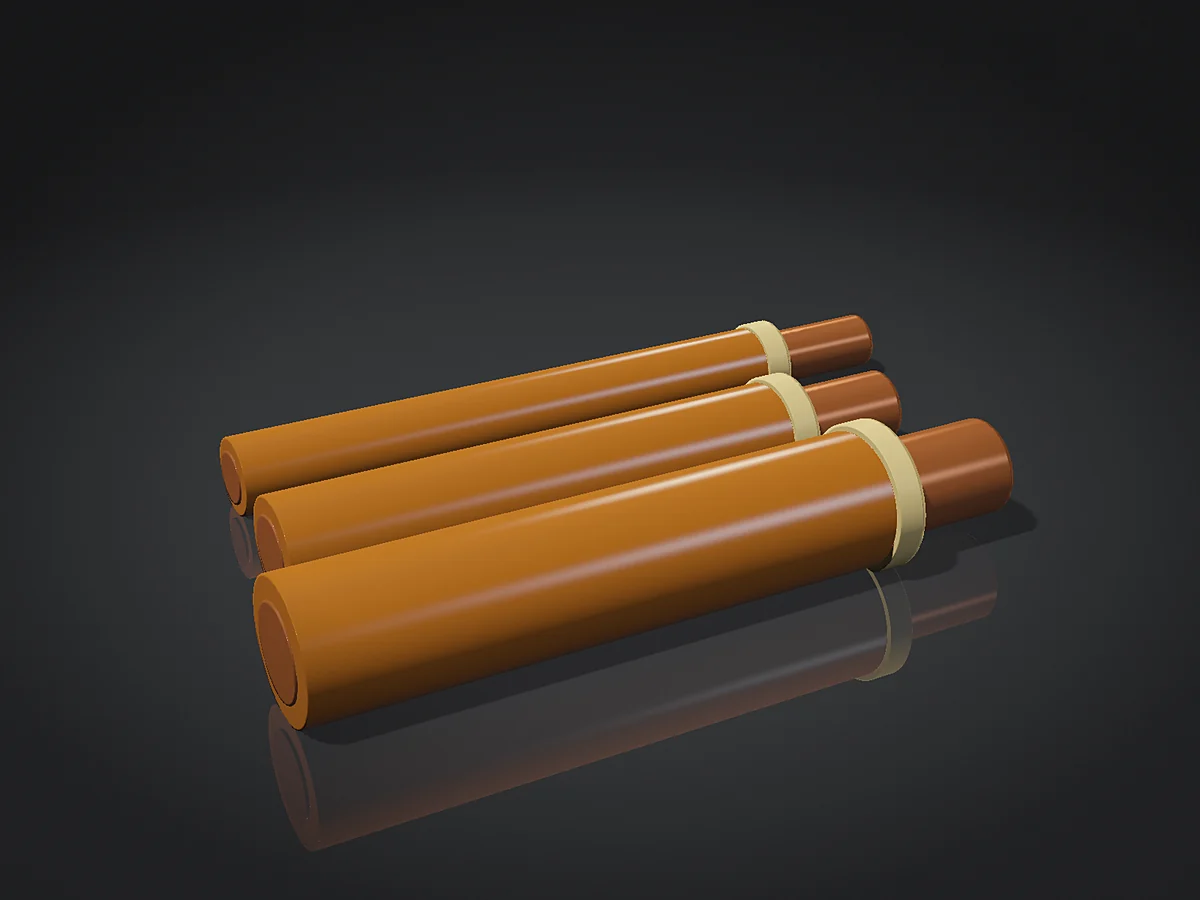
Kapton-Wrapped Round Copper Conductor
ISO-CU-KPT-R240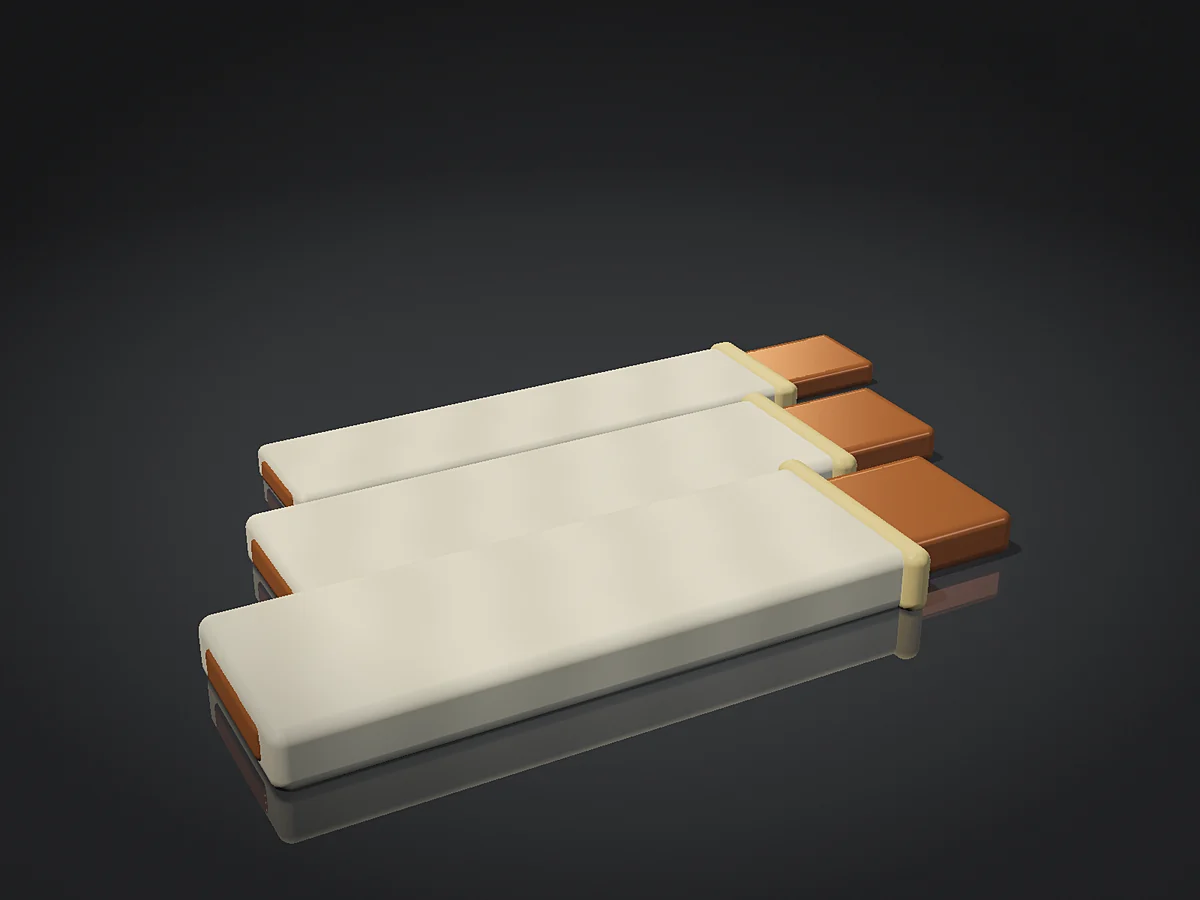
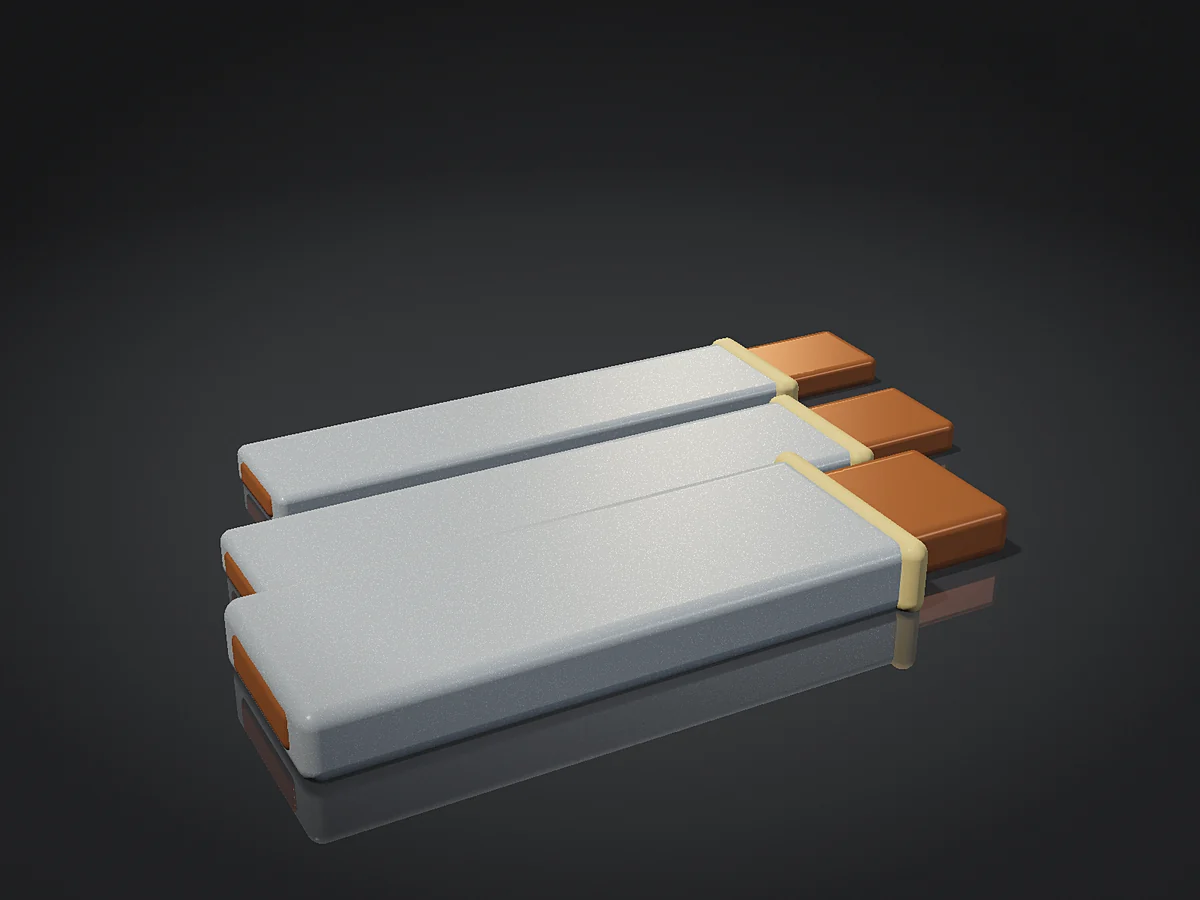
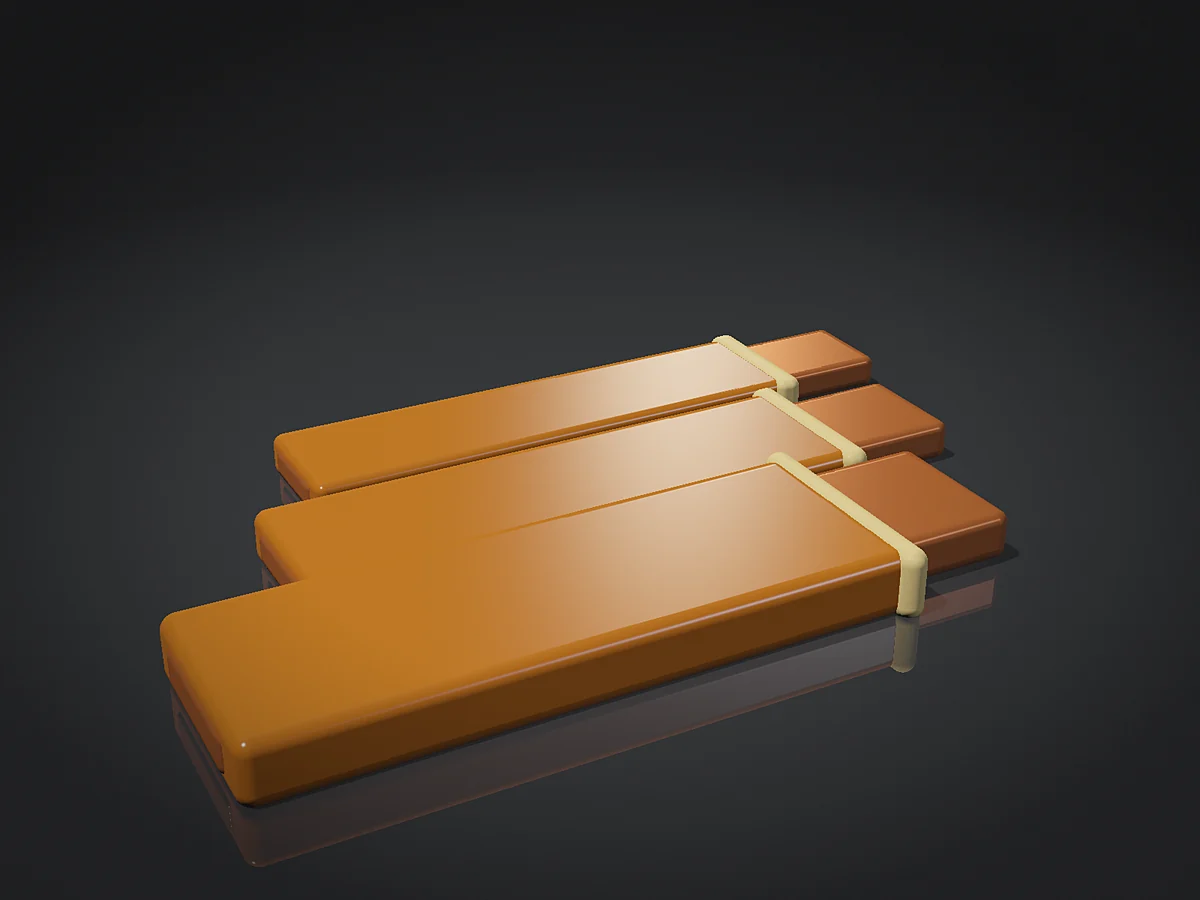
Mica-Covered Rectangular Copper Conductor
ISO-CU-MKA-F240
MORE
Other Projects
Flat Copper Conductor Supply for a Power Transformer Winding Line
Supply of custom-size flat copper conductor for the low-voltage windings of a medium-voltage power transformer...
View Project

Switch to Nomex-Insulated Conductor in Dry-Type Transformer Production
The material side of moving from cellulosic insulation to aramid-insulated conductor in a dry-type transformer...
View Project
Class 200 Enamelled Conductor for a Wind Turbine Generator Winding
Supply and cross-section verification of class 200 enamelled conductor for weight and thermal-endurance target...
View Project