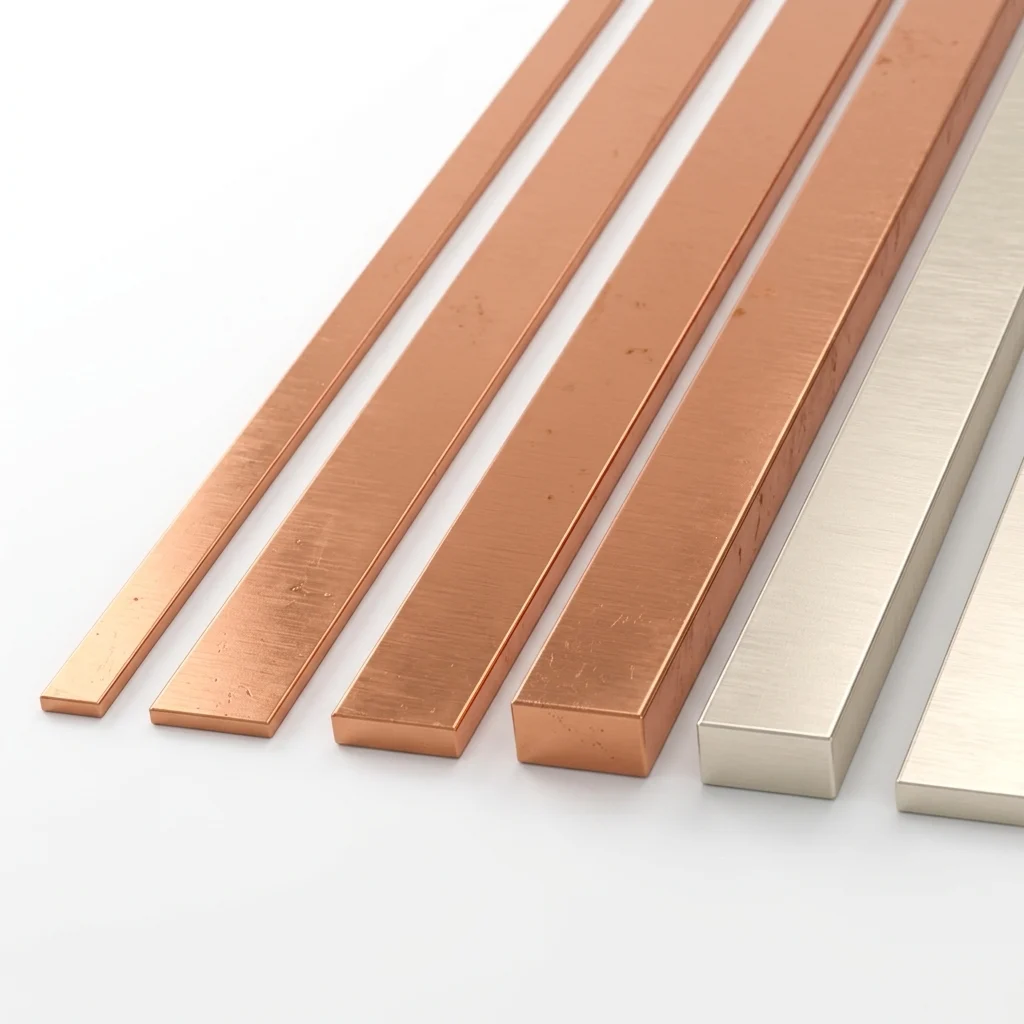
Flat - Round Enamelled Winding Wires
Enamelled flat and round copper/aluminium winding wires to the IEC 60317 series; classes 155–220.
Enamelled conductor is produced by applying liquid enamel resin in thin layers onto bare conductor and curing it in a furnace. The coating is only a few hundred microns thick; this keeps the winding fill factor high and increases the machine's power per unit volume. This is the most widely used family of winding conductors.
The enamel type directly sets the thermal class: polyester and polyesterimide resins are used at classes 155 and 180, and systems with a polyamide-imide top layer at classes 200 and 220. Products are made to the general requirements of IEC 60317-0-1 for round and IEC 60317-0-2 for flat sections; test methods follow the IEC 60851 series, and the NEMA MW 1000 equivalent is provided for North American projects.
Flat - Round Enamelled Winding Wires Products
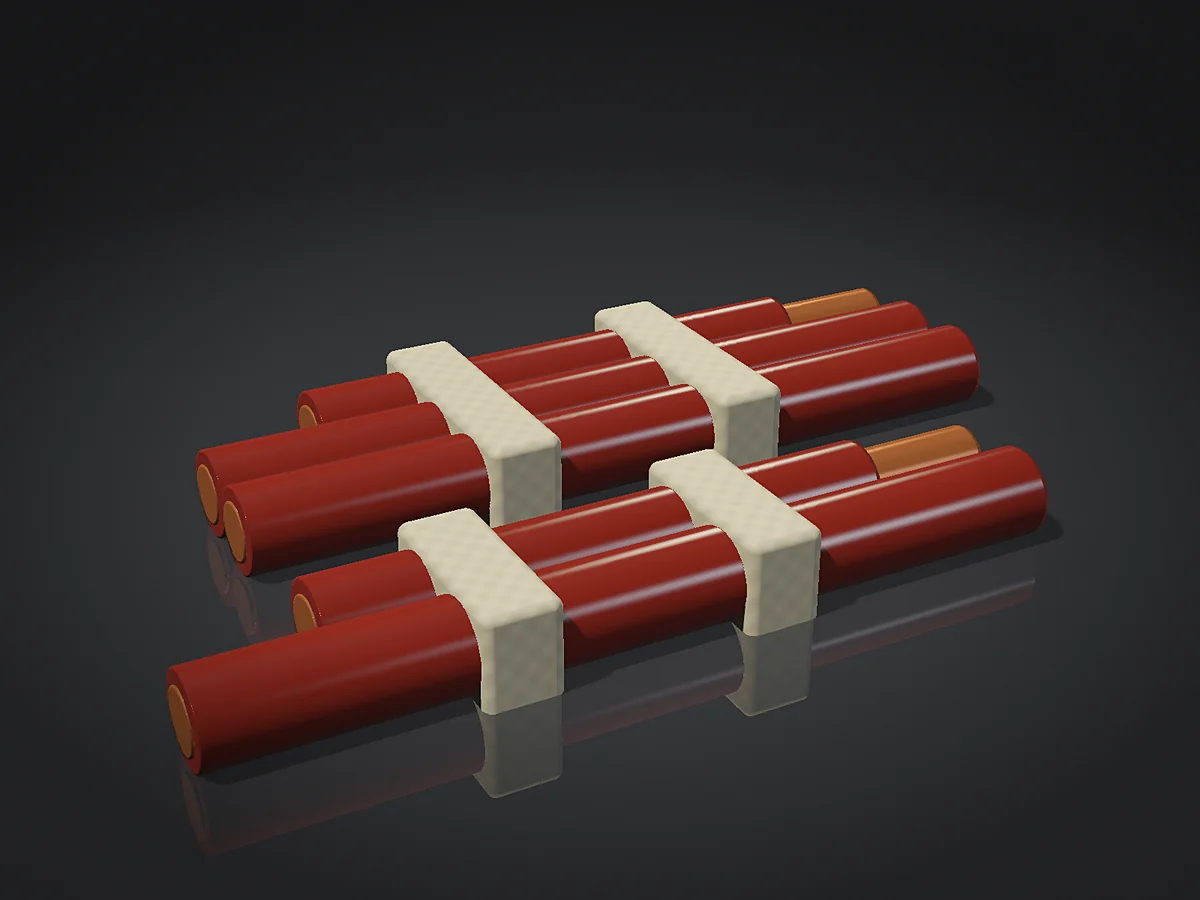
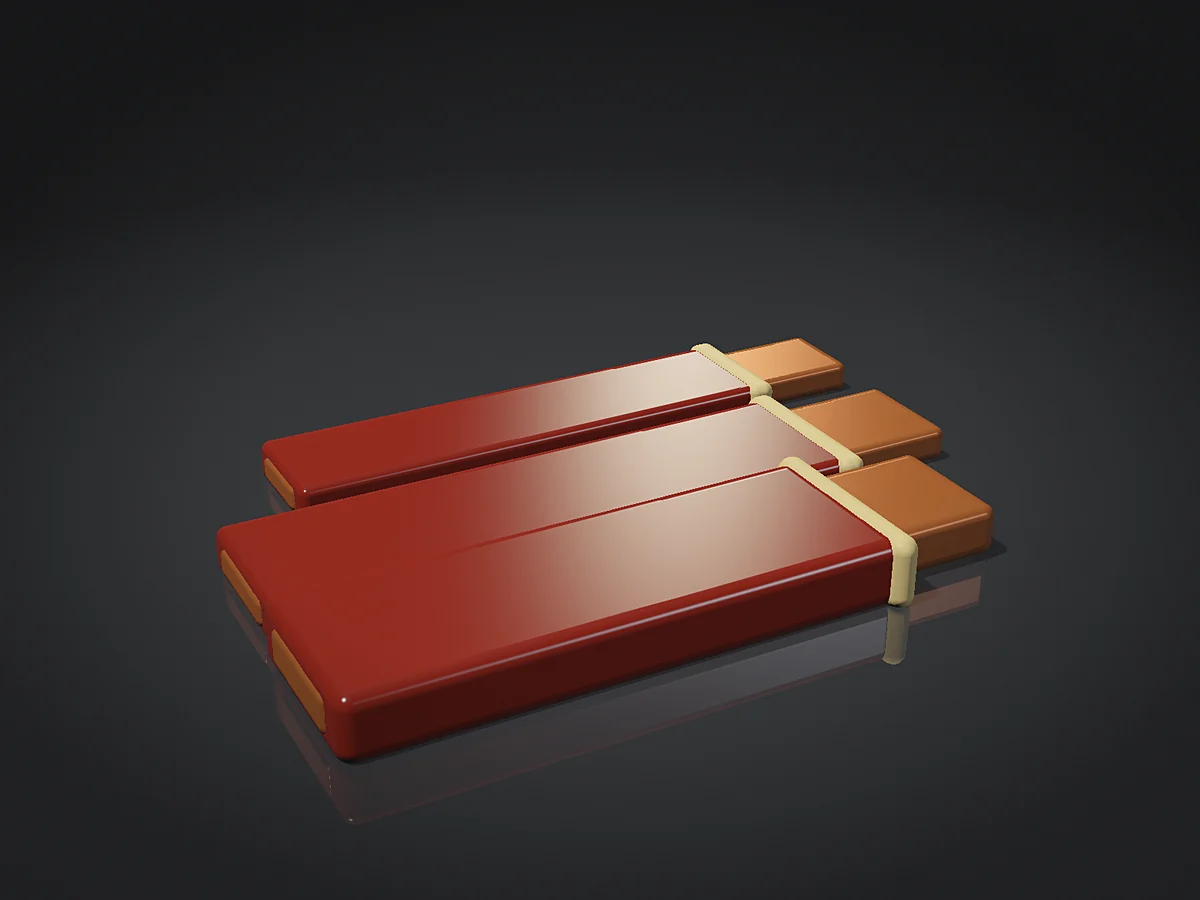
Enamelled Rectangular Copper Conductor
ISO-CU-EMY-F200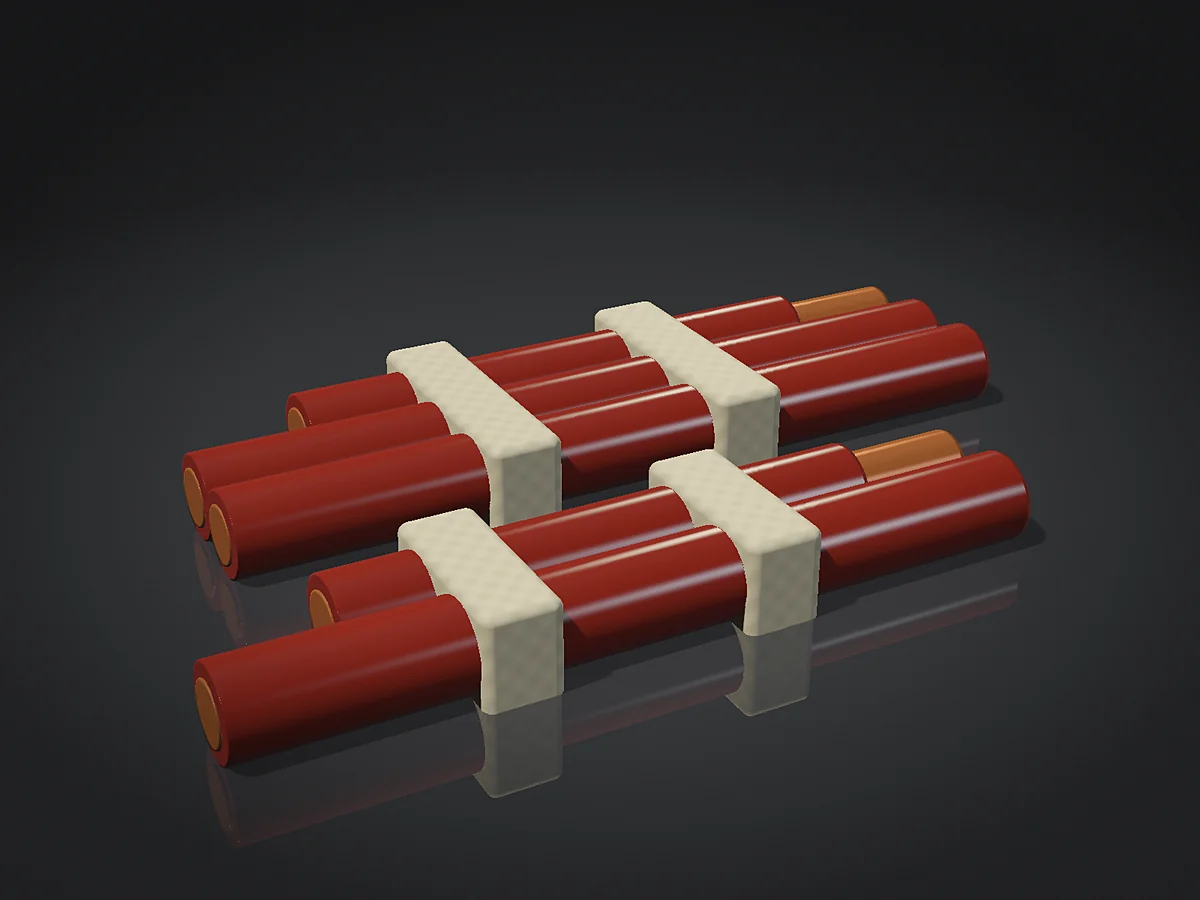
Triple Enamelled Round Copper Conductor
ISO-CU-UCZ-R180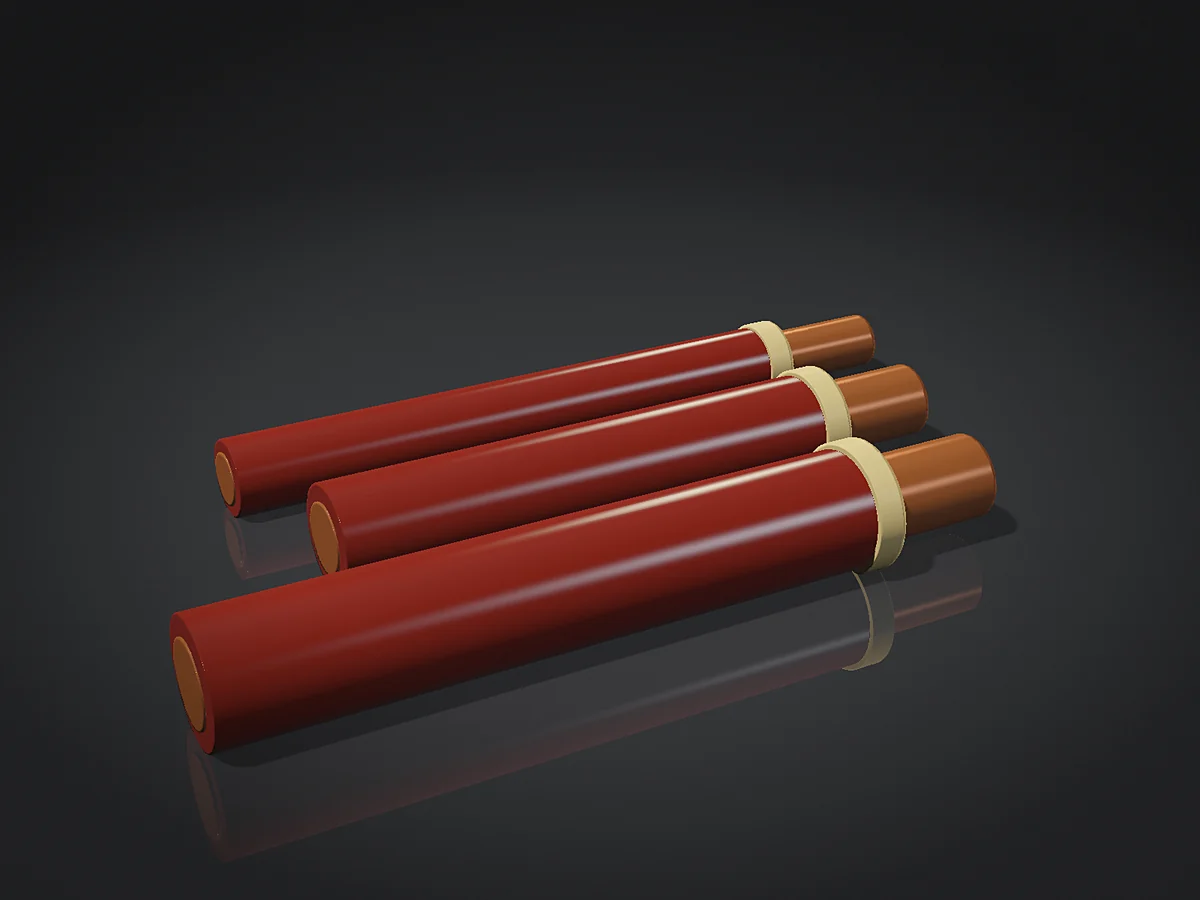
Enamelled Round Copper Wire
ISO-CU-EMY-R180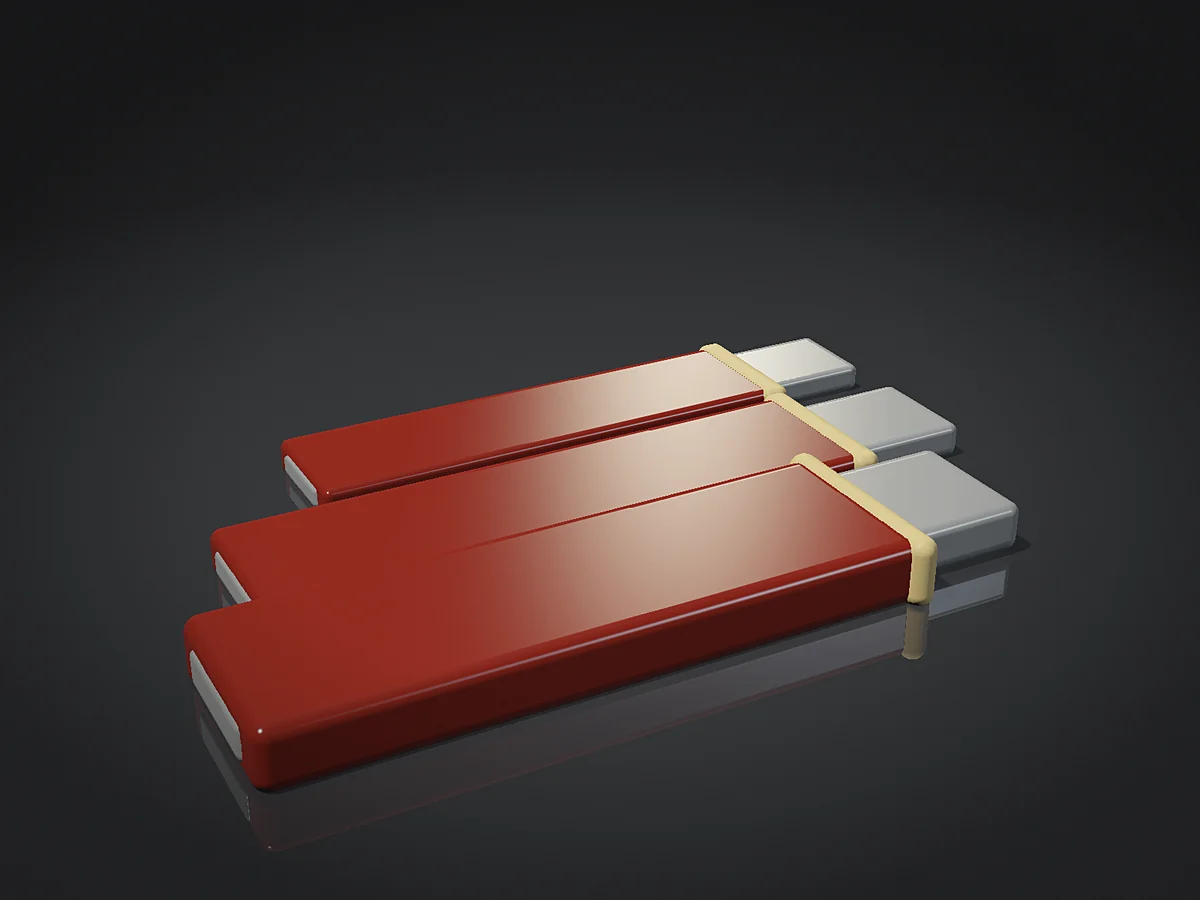
Enamelled Rectangular Aluminium Conductor
ISO-AL-EMY-F200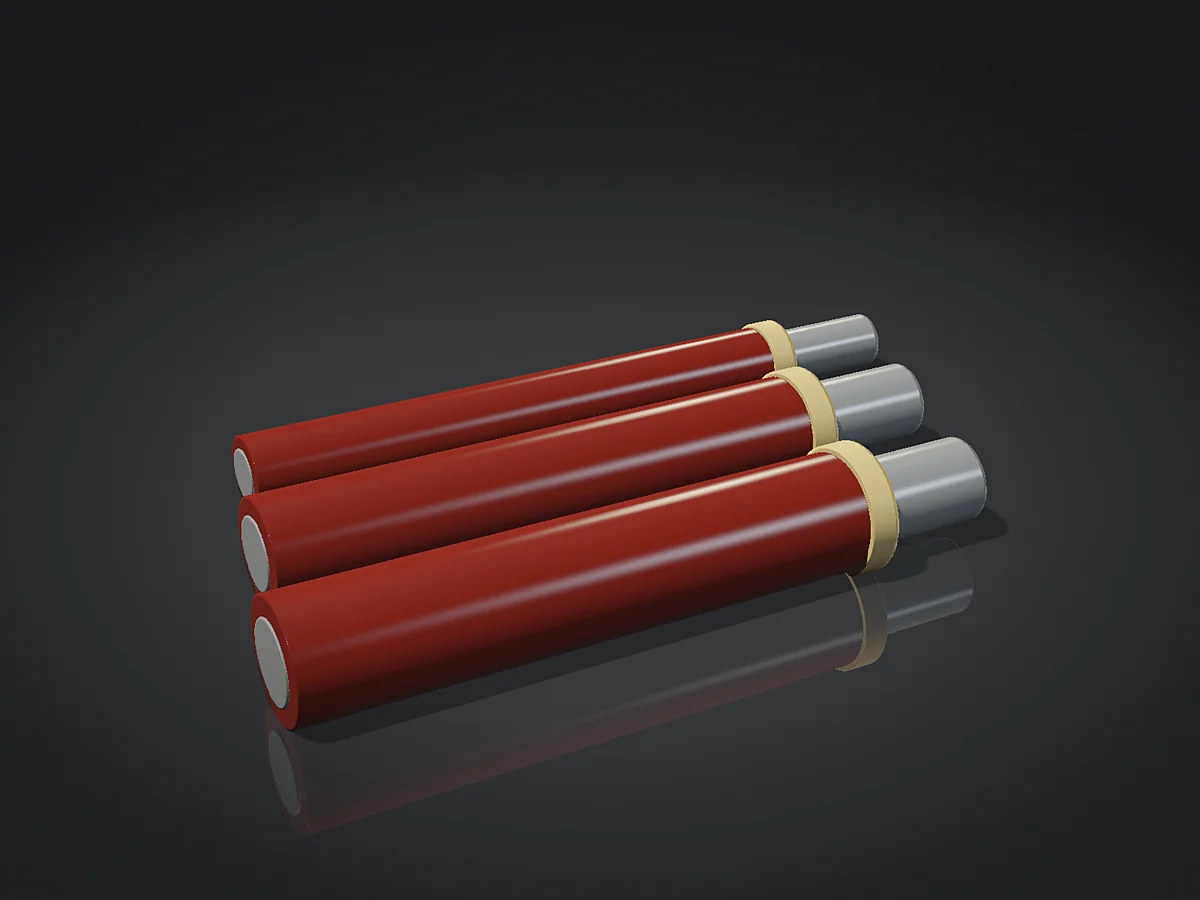
Enamelled Round Aluminium Wire
ISO-AL-EMY-R180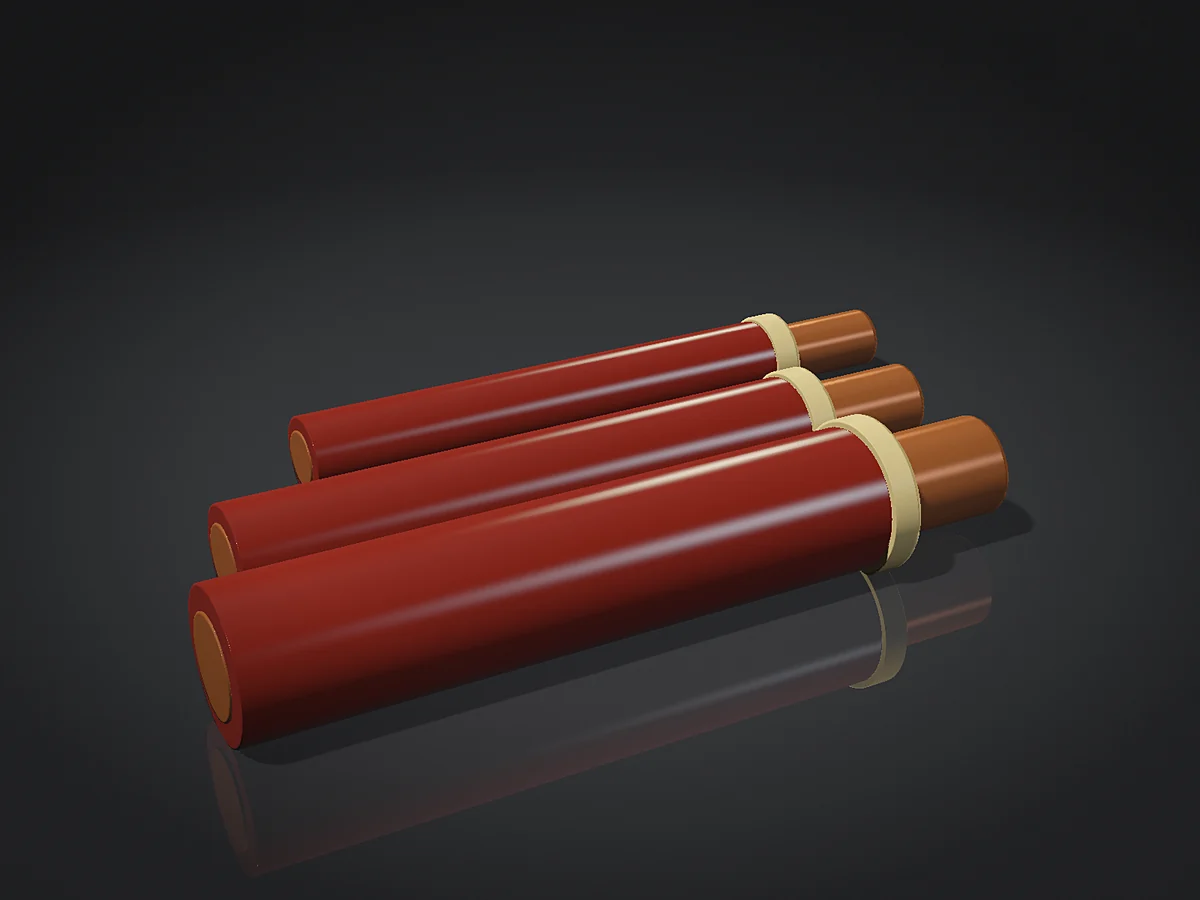
Enamelled Round Copper Wire - Class 220 (R)
ISO-CU-EMY-R220
Self-Bonding Enamelled Copper Wire
ISO-CU-EMB-R155
Technical Information
Build-increase classes and thermal classes:
- Grade 1 / Grade 2 / Grade 3 — increasing coating thickness and dielectric strength
- Thermal classes: 155 (F), 180 (H), 200 (N), 220 (R) — per the IEC 60085 definition
- Softening and heat-shock tests: IEC 60851-6
- Abrasion resistance and flexibility tests: IEC 60851-3
- Reference: IEC 60317-0-1 (round Cu), IEC 60317-0-2 (flat Cu), IEC 60317-0-3 (round Al), IEC 60317-0-5 (flat Al)
In enamelled wire the build-increase class determines the voltage level the conductor will withstand. Grade 1 corresponds to single build, Grade 2 to double build and Grade 3 to triple build; in motors driven by frequency converters, Grade 2 and above are preferred because of the partial-discharge risk from impulse voltage.
The selection considers not only the thermal class but also the tension applied during winding, the mandrel radius, chemical compatibility with the impregnating varnish and, where present, resistance to the coolant fluid. Self-bonding (bondable) enamel types allow the winding to bond within itself without using an additional coil former.